
Each sector has its own version of the gap.
The metaphor is the same. The way it shows up in your operating model is not. We work most often with three sectors — and the work looks measurably different in each.
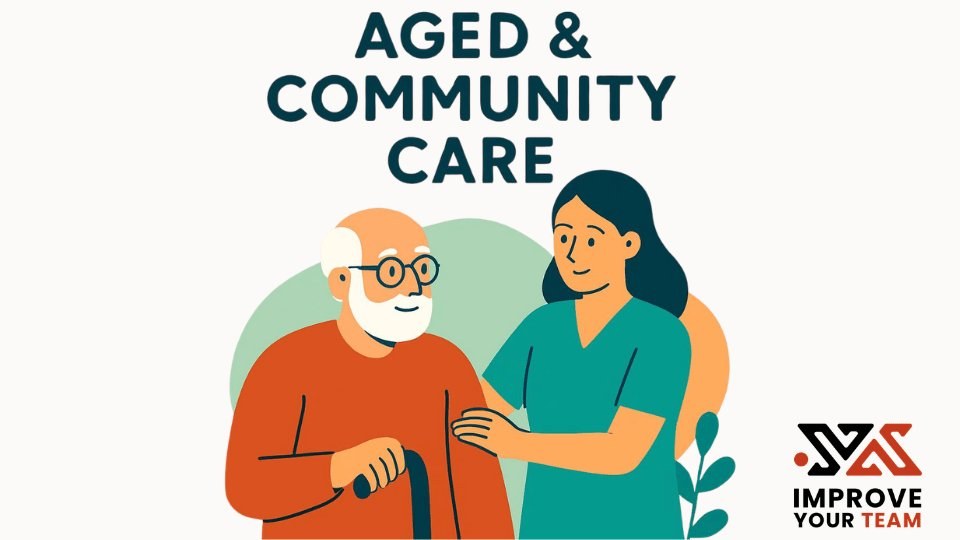
Aged & Community Care
Multi-site providers under regulatory scrutiny. Workforce shortages. Distressing events as a daily operating reality. The gap shows up as supervisor exhaustion and quiet attrition.
See the work →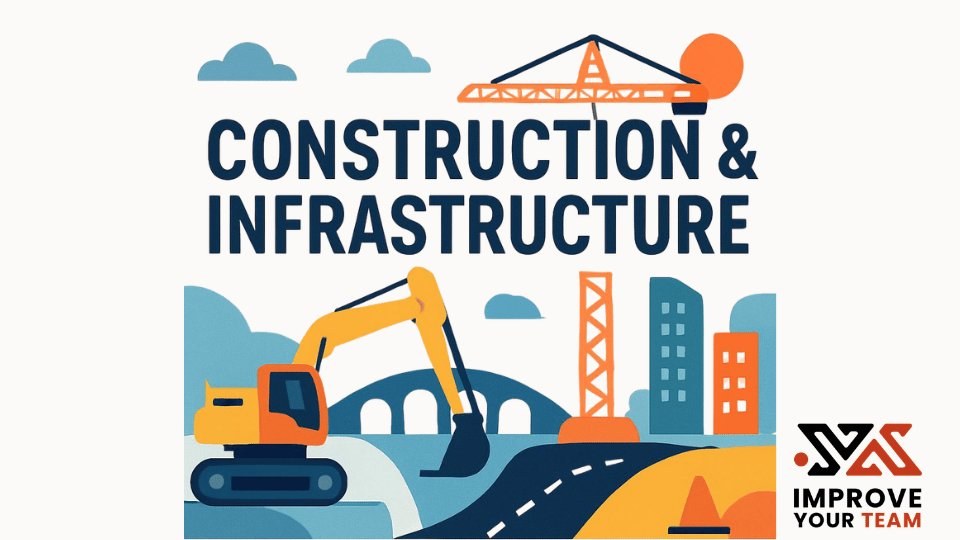
Construction & Infrastructure
Principal contractors and major-project operators. Strong physical-safety culture, growing psychosocial pressure. The gap shows up between EAP utilisation that never lands and supervisors who carry the load.
See the work →
Healthcare
Public and large private operators. High vicarious-trauma exposure. Sophisticated procurement, mature safety governance. The gap shows up as staff who cope until they don't.
See the work →Three engagements, anonymised.
Named-client references travel privately with a signed scope. The case studies below use real engagement details with all client identifiers removed.
Major NSW aged-care provider — executive-level advisory through a delivery framework redesign.
Context. Multi-site provider, mature operation, board-funded. Working through delivery-framework changes following a shift in regulatory expectation.
Challenge. The CEO needed a senior advisor who could sit alongside the executive team during a sensitive period — read the room, surface what wasn't being said, and shape the people-side of the transition without becoming part of the org chart.
Approach. Phase 1 Discovery → Phase 2 Diagnostic → standing executive advisory across the redesign period. Worked directly with the CEO on framework decisions and with the leadership team on team-restructure communication.
Outcome. The restructure landed without the predicted attrition spike. Leadership team reported greater confidence in difficult conversations. The advisory engagement progressed to Phase 5 Strategic Partnership.
Principal contractor on a major Sydney infrastructure project — Wellbeing Champion program rollout.
Context. Principal contractor running a major infrastructure project with around 3,000 workers on site (predominantly subcontracted) and ~500 white-collar staff in the principal organisation. Sector under heightened psychosocial-risk scrutiny.
Challenge. Strong existing safety culture on the physical-hazard side, but a clear gap on the psychosocial side. EAP in place, low utilisation. They needed a Wellbeing Champion program that would actually embed in a high-pressure, high-turnover, multi-language workforce.
Approach. Wellbeing Champion training built on the SCOPE methodology — designed deliberately to be remembered under pressure on a noisy worksite. Tailored content for supervisors and foremen as the primary champion cohort.
Outcome. Trained champion network now operating across the project. Used by the contractor as a credible reference point in tender responses and supplier-relationship conversations. Engagement extended into ongoing advisory.
National community-services organisation — frontline support across complex care contexts.
Context. National service provider operating across Aboriginal services and complex-care contexts. High exposure to vicarious trauma in frontline staff.
Challenge. Senior specialist support required for the frontline-services teams: clinical-supervision overlay, capability-building in trauma-informed practice, and culturally aware program design that respected the communities being served.
Approach. Senior specialist engagement embedded across the relevant service line. Combined trauma-informed practice design with on-the-ground team-cohesion work and crisis-response capability.
Outcome. Improved frontline retention in the affected teams. Cultural-competence framework adopted across the service line. Referenced internally as a model for how clinical and operational practice should integrate.
Your version of the gap doesn't look like anyone else's.
A Discovery Call is the fastest way to find out where it sits in your operating model — and what we'd do about it.
Book a Discovery Call